Fed Chair Warsh Wants Answers on AI Inflation—and Bitcoin May Feel the Impact
Article syndicated from Decrypt. · Original article ↗
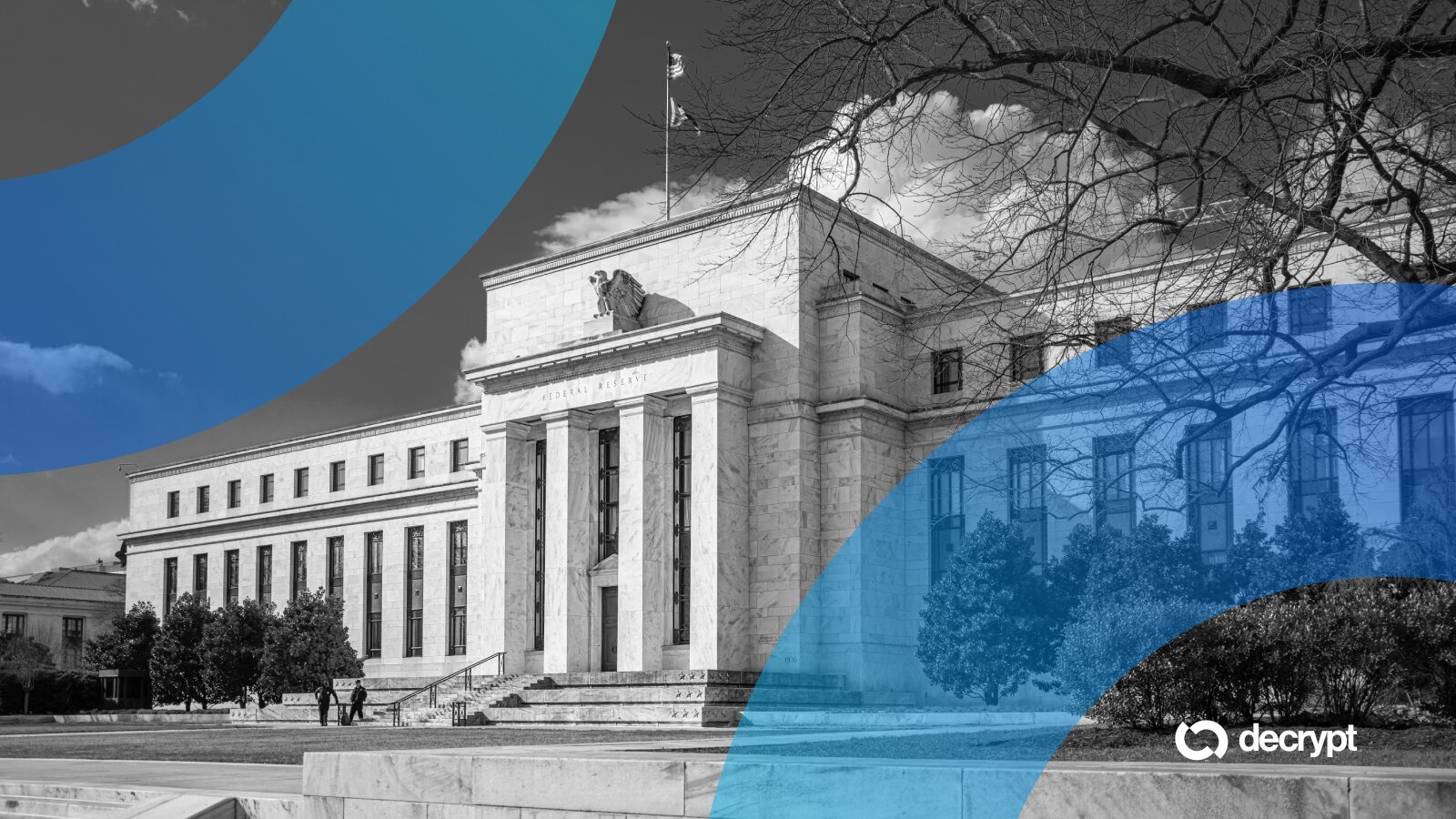
The Federal Reserve is examining whether AI will lower prices or keep inflation elevated, a question that could shape interest rates and the outlook for crypto.
Federal Reserve Chair Kevin Warsh will convene a public forum Monday to examine whether artificial intelligence will bring down inflation, drive prices higher, or replace American workers.
The November 16 conference in San Francisco will bring together technology executives, economists, and employers to examine how AI is reshaping the economy.
The findings could influence how the Fed approaches interest rates, a major factor in Bitcoin's price movements as investors weigh whether to put money into risky assets or safer alternatives.
Warsh has argued that AI could help companies produce more goods and services at lower costs, easing inflation without requiring the Fed to keep borrowing expensive.
But some of his colleagues see a different problem: The AI boom is already making things more expensive, while the promised productivity benefits remain largely theoretical.
Building data centers requires enormous quantities of electricity, computer chips, construction materials, and skilled workers. When technology companies compete for those limited resources, prices rise.
Fed Governor Lisa Cook warned in September that AI investment was adding inflationary pressure and delaying the central bank's return to its 2% inflation target.
That creates a dilemma for the Fed.
If AI eventually allows businesses to produce more without raising costs, inflation could cool, giving policymakers room to lower interest rates.
Lower rates generally make risky assets like Bitcoin or tech stocks more attractive because government bonds and savings accounts offer smaller returns, encouraging investors to seek higher gains elsewhere.
But if AI spending keeps inflation elevated, the Fed could maintain high interest rates or raise them further. That would make borrowing more expensive, strengthen the appeal of interest-bearing assets, and potentially drain money from speculative investments, including cryptocurrencies.
Bitcoin is already feeling that pressure. The cryptocurrency dropped below $69,000 Friday as stronger-than-expected inflation figures fueled concerns about another Fed rate hike.
The complete story is published by the original publisher. Everything we can syndicate is shown above.
Open original ↗